* This post is LONG overdue, but I’m sure you’ll forgive me 🙂 I hope.
Several months into our relationship, I planted an idea in Weronika’s head about a summer trip to Montreal. And every once in a while, I watered that idea, promising sunnier weather, happier & friendlier people and a high quality way of life.
So it was a pleasure to notice I was a catalyst in her decision to sell her dance studio. She had been the owner of an exotic dance school for 9 years, bringing pole dancing and twerk to Poland. She also was the organizer of the yearly Miss Poland Pole Dance competition, which had 80 participants this year. However, the last few years became increasingly stressful and she wanted to focus on her online store, which sells pole dancing and fitness clothing. (By the way, her handmade sportswear clothes rival those of Lululemon).
The sale went very smoothly, and one of her dance instructors became the new owner. Of course, the staff was initially shocked with the news, but then encouraged her. Everyone imaged Canada to be exotic and dreamy, or maybe they were just thinking about Justin Trudeau. Either way, with the school behind her, Weronika became a digital nomad, able to work anywhere and on her own schedule (like me). I was the lucky guy to be her guide for the next chapter of her life 🙂
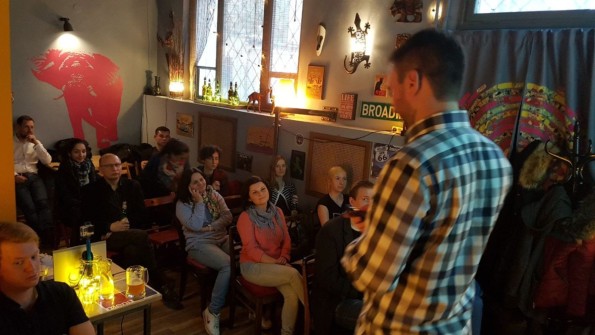
A few weeks before Thailand, Weronika brought me to a cozy cafe in Warsaw that’s tourist-friendly. In talking with the owner, she mentioned they regularly have travelers present an upcoming trip or share pictures of a past trip. She asked if I would be willing to do a presentation on my sabbatical, and I gleefully accepted.
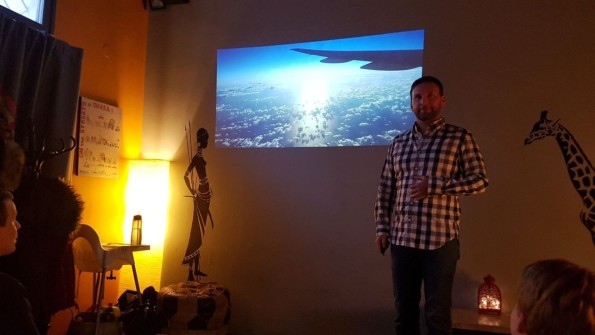
With Weronika’s help, I made an splendid speech with lots of images, keeping to the theme “The deeper meaning to travel”. Most people are aware of the impacts and benefits of short term travel, say 1-4 weeks, but traveling for more than a year is a game changer. Aside from sharing a few pictures, I wanted to encourage travel enthusiasts to push their comfort zone and seek out their passions.
The two hour presentation was made to an audience of about 30. People seemed to be fairly impressed with my performance, so it looks like all those Presentation Skills courses I took a few years ago paid off. A few even approached me after the speech to thank me and wanted more details and recommendations. Overall, there was a great energy to the evening 🙂
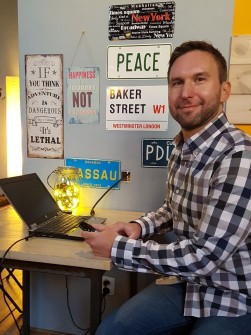
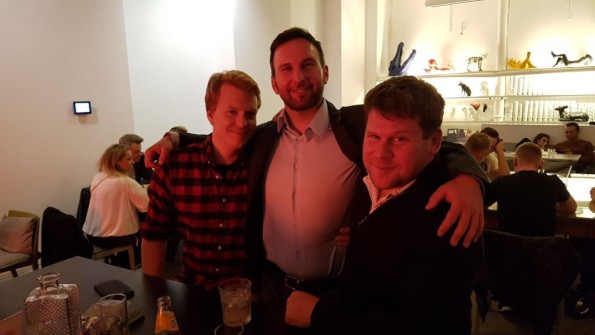
A few days later, there was a goodbye party for a few close friends, including a new couple I met at the presentation. Overall, saying goodbye was easier than previous times, because although I had been in Poland for 10 months, it really is a second home to me. Everyone knows I’ll be back soon enough, so it was more of a “see ya later” instead of a “goodbye”.
A quick note about Stefan and Ola. It was a wonderful pleasure to spend so much time with one of my best friends and his incredible wife. They have always treated me like family, and their laid back yet fulfilling lifestyle is something to be admired. Love you guys!
Sadly, leaving Poland marks the end of my sabbatical. The moment when this realization fully took place was when the plane touched down in Toronto, and I became very emotional, but I’ll get into that in the next post. Suffice to say, my life as a world traveler is far from over, and I’m curious how my new worldly views will be applied to day to day life in Montreal.
See ya later, Poland.